Pakistan's Hydrogen Economy: Strategic Priorities amid Regional Instability, Day 3, B12, 04 Nov
Pakistan eyes green hydrogen to cut fossil fuel dependence amid global energy risks
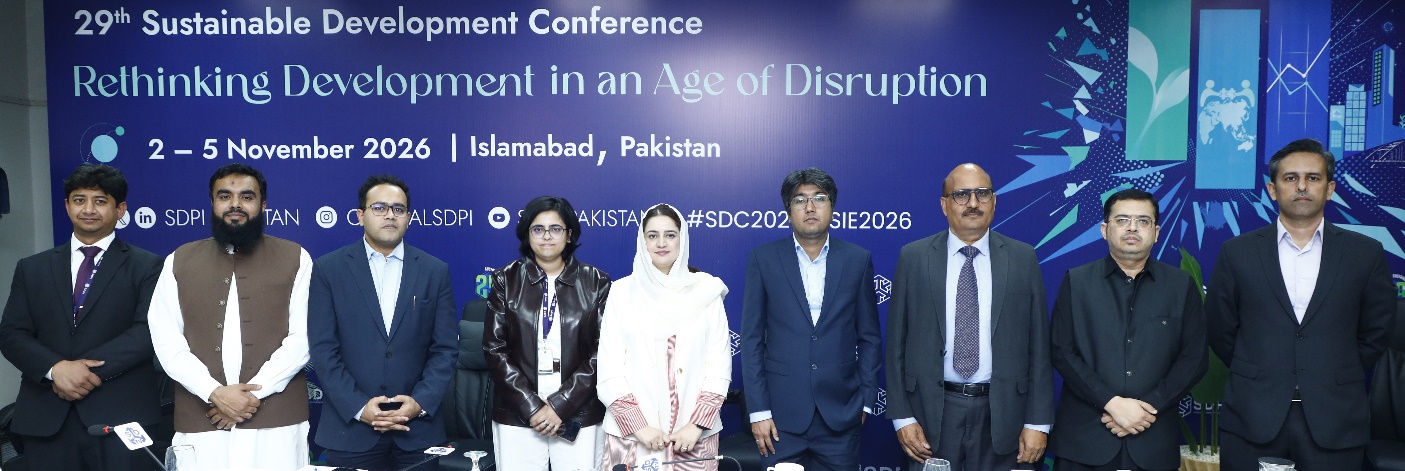
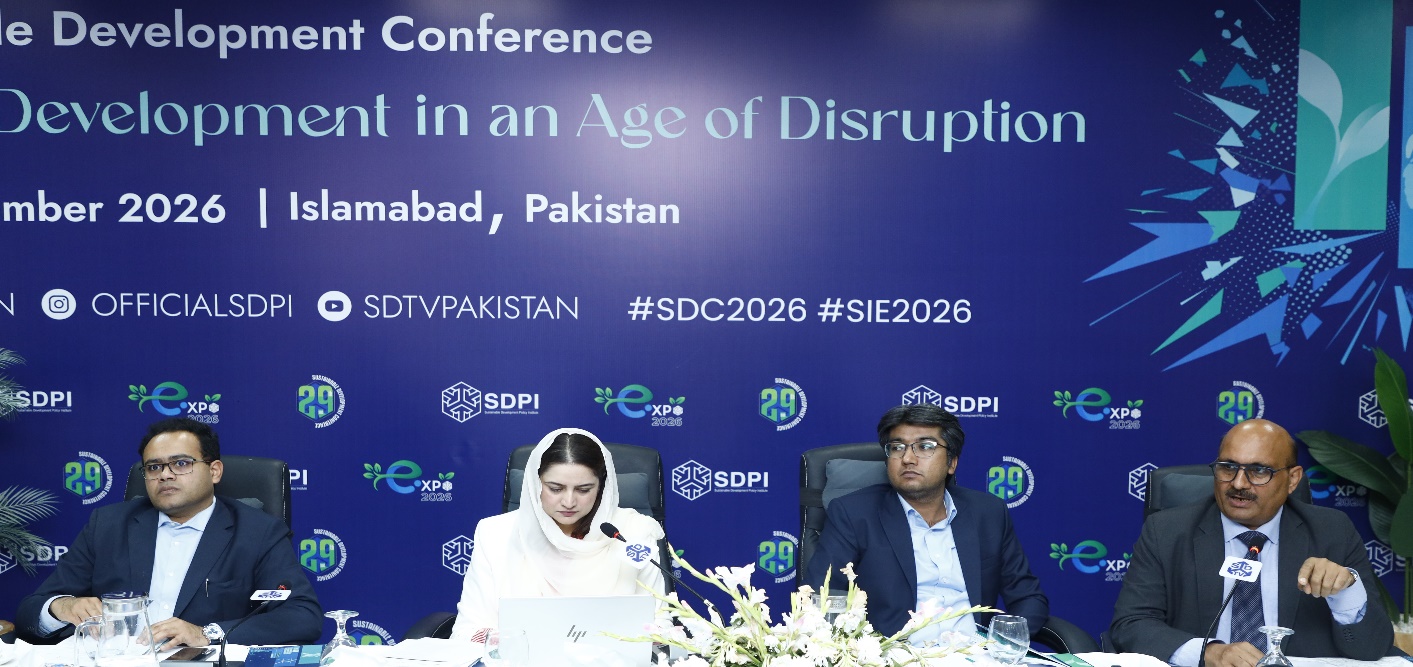
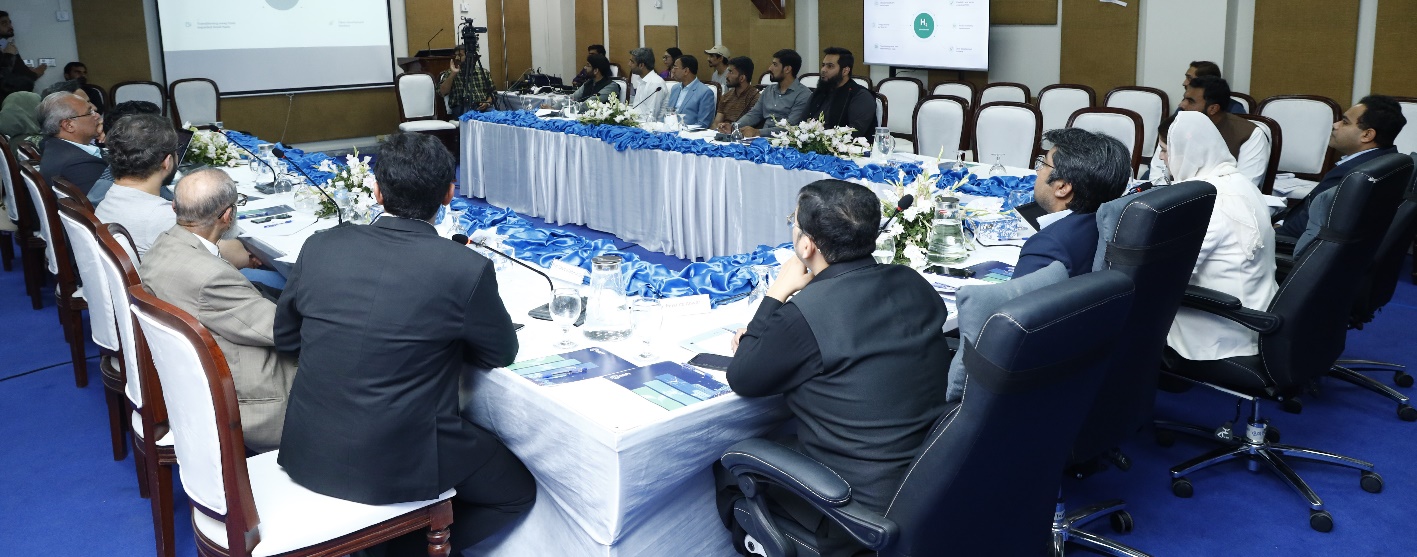
ISLAMABAD (04 November 2026): Experts at a session have said that Pakistan is considering green hydrogen as a strategic alternative to imported fossil fuels to strengthen energy security, reduce industrial production costs and improve export competitiveness amid growing geopolitical tensions and disruptions in global energy supply chains, particularly around the Strait of Hormuz.
The session, titled: ‘Pakistan's Hydrogen Economy: Strategic Priorities amid Regional Instability’, was organized on the third day of 29th Sustainable Development Conference by the Sustainable Development Policy Institute here on Wednesday.
The experts said the country is also working on its first Integrated Energy Plan (IEP), scheduled for completion by June 2027, which will incorporate emerging energy technologies, including hydrogen, into the national energy mix as they become economically competitive with conventional fuels.
Engr Ubaid ur Rehman Zia of the Sustainable Development Policy Institute (SDPI) said recent disruptions in the Strait of Hormuz had reinforced the need to develop indigenous alternative energy sources and reduce reliance on expensive imported fuels.
He said green hydrogen was emerging as a critical instrument for decarbonising hard-to-abate industries, which account for nearly 47 percent of global emissions. Declining costs of electrolyzer, improving economics and rising international investment were creating opportunities for countries seeking to develop hydrogen-based industries.
Zia said electrolyzer costs had declined from around $2,000-$2,800 per kilowatt in 2024 to approximately $1,400, while 76 countries had adopted national hydrogen strategies or policies by early 2026, including 41 emerging and developing economies.
Highlighting the vulnerability of global energy supply chains, he said the Middle East accounted for nearly one-sixth of global hydrogen production, 17 percent of methanol, 13 percent of urea and 11 percent of ammonia.
Recent disruptions have doubled urea prices and increased methanol prices by around 60 percent, demonstrating the economic consequences of regional instability.
He said Pakistan could utilize its substantial wind energy potential to produce green hydrogen by converting surplus renewable electricity, which otherwise went to waste through curtailment. Such an approach could improve energy security, promote industrial localisation and generate green employment.
Mohammad Irfan Siddiqui, member of the Board of Directors of Pakistan Petroleum Limited (PPL), said Pakistan needed to diversify its energy mix and accelerate the adoption of renewable and alternative fuels, including hydrogen, to contain rising energy costs and reduce dependence on imported oil, LNG and diesel.
He disclosed that Pakistan's hydrogen strategy had been developed through consultations involving relevant ministries, academia and industry stakeholders and submitted to the Prime Minister's Office for approval and launch. He warned that rising international prices of oil, LNG and diesel were increasing the country's import bill and weakening the competitiveness of export-oriented industries.
Kamil Maqsood of the Power Division said the Cabinet Committee on Energy had approved the high-level design of the Integrated Energy Plan in August, which was subsequently ratified by the federal cabinet in September.
He said the Power Division, through the Integrated Planning Secretariat housed in the PPMC, was jointly leading the exercise with the Petroleum Division. The plan would assess geopolitical risks, energy supply vulnerabilities and mitigation measures through quantitative and qualitative analysis.
Meanwhile, Muhammad Muneeb of the National Energy Efficiency and Conservation Authority (NEECA) said the authority had proposed a certification framework for green hydrogen production and consumption facilities to support the development of the domestic market.
He said a 2023-24 pre-feasibility study had examined 13 hydrogen value chains and shortlisted three, including options linked to solar power, hydropower from the Ghazi-Barotha project and electricity generation. However, none was economically viable at the time.
He said hydrogen could gradually replace grey hydrogen currently used in fertiliser and refinery industries and serve as an energy carrier where direct electricity transmission was difficult.
Former NEECA Managing Director Muhazzam Mustafa said Pakistan should view green hydrogen primarily as an opportunity to improve industrial competitiveness, which could subsequently strengthen energy security.
He disclosed that an investment group from the Middle East and Australia had expressed interest in investing around $4 billion in Pakistan's green hydrogen sector without sovereign guarantees or take-or-pay obligations.
Munawar Iqbal of the Private Power and Infrastructure Board (PPIB) stressed the need for clear institutional responsibilities, arguing that the Petroleum Division should lead hydrogen policymaking as it falls within the domain of fuel production and management, while the Power Division should provide electricity for hydrogen production.
He also called for identifying dedicated green hydrogen investment corridors based on solar and wind potential, water availability and proximity to seaports to facilitate exports, saying international investors, particularly Chinese companies, required clarity on suitable investment locations.
Participants stressed that a clear policy framework, commercially viable projects, institutional coordination and investor confidence would be critical to translating Pakistan's hydrogen ambitions into concrete investments.