SPHF - The World’s Largest post -Disaster Housing Reconstruction Programme, Day 2, A2, 03 Nov
Sindh’s flood housing programme emerges as global model
EU, WB, ADB hail Pakistan’s reconstruction success
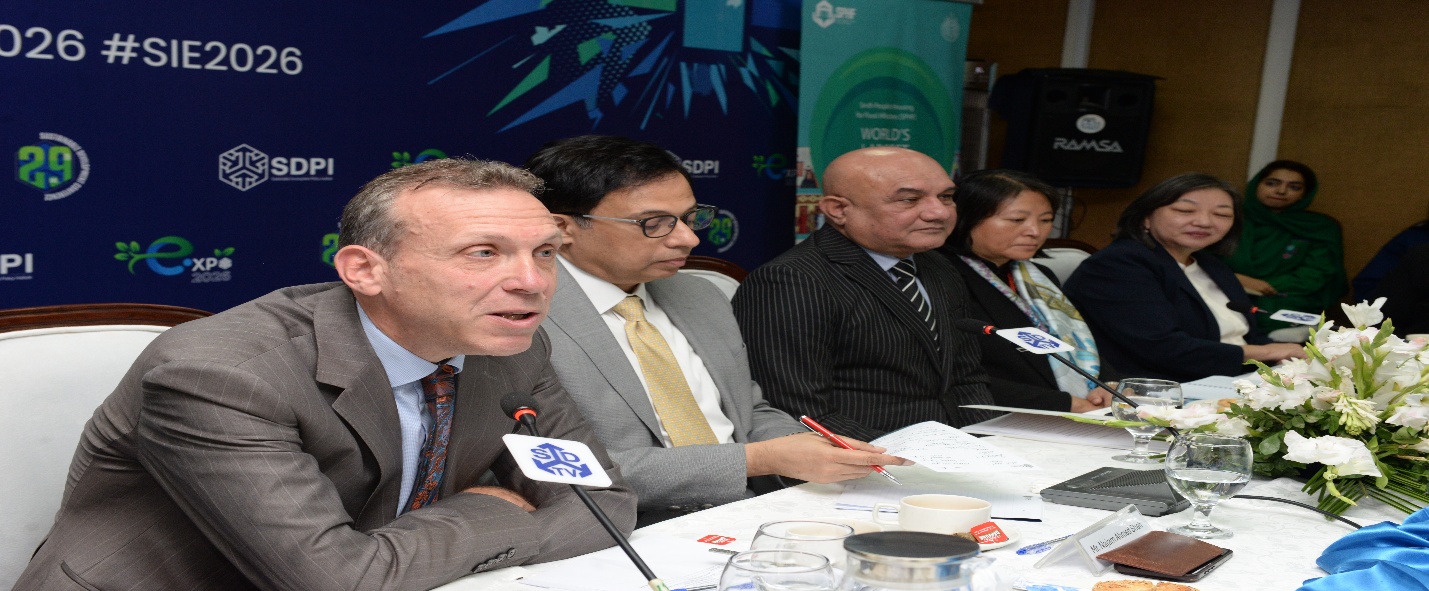
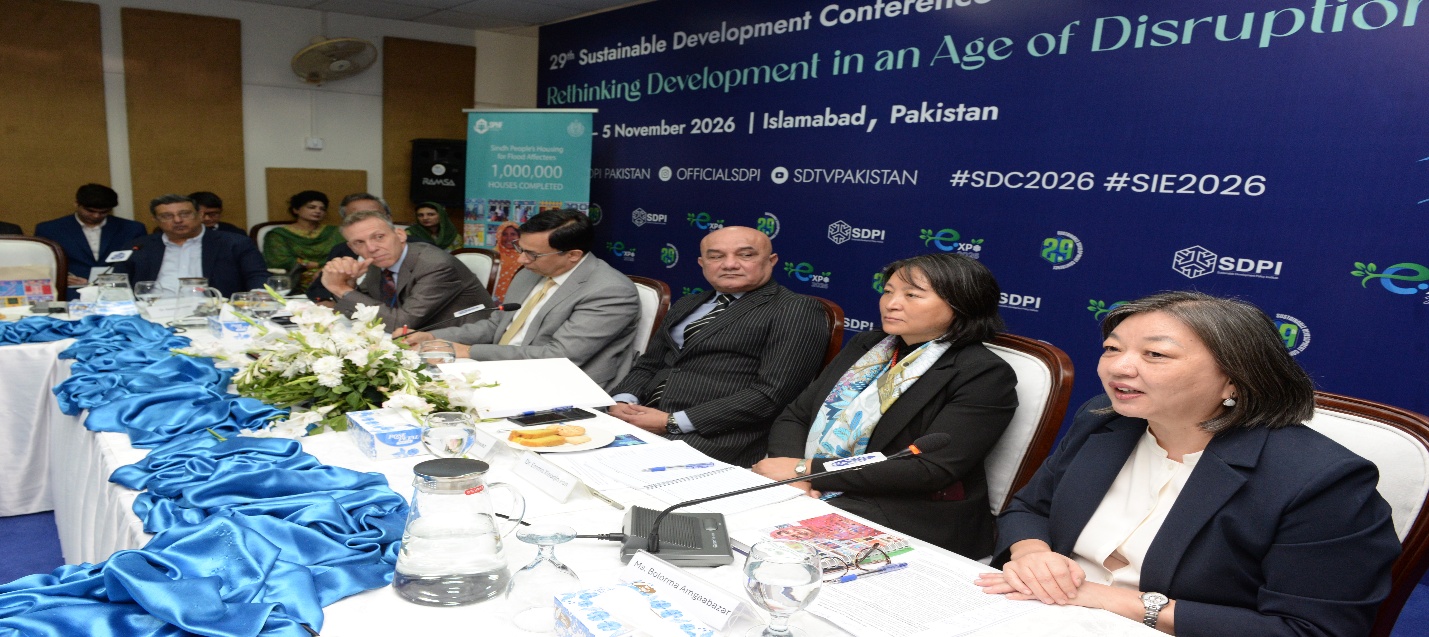
ISLAMABAD (03 November 2026): World Bank Country Director for Pakistan Bolormaa Amgaabazar has said completing one million houses within a few years was an unprecedented achievement, and it is hoped that the Sindh People’s Housing for Flood Affectees (SPHF)programme would meet its overall target of approximately 2.1 million homes.
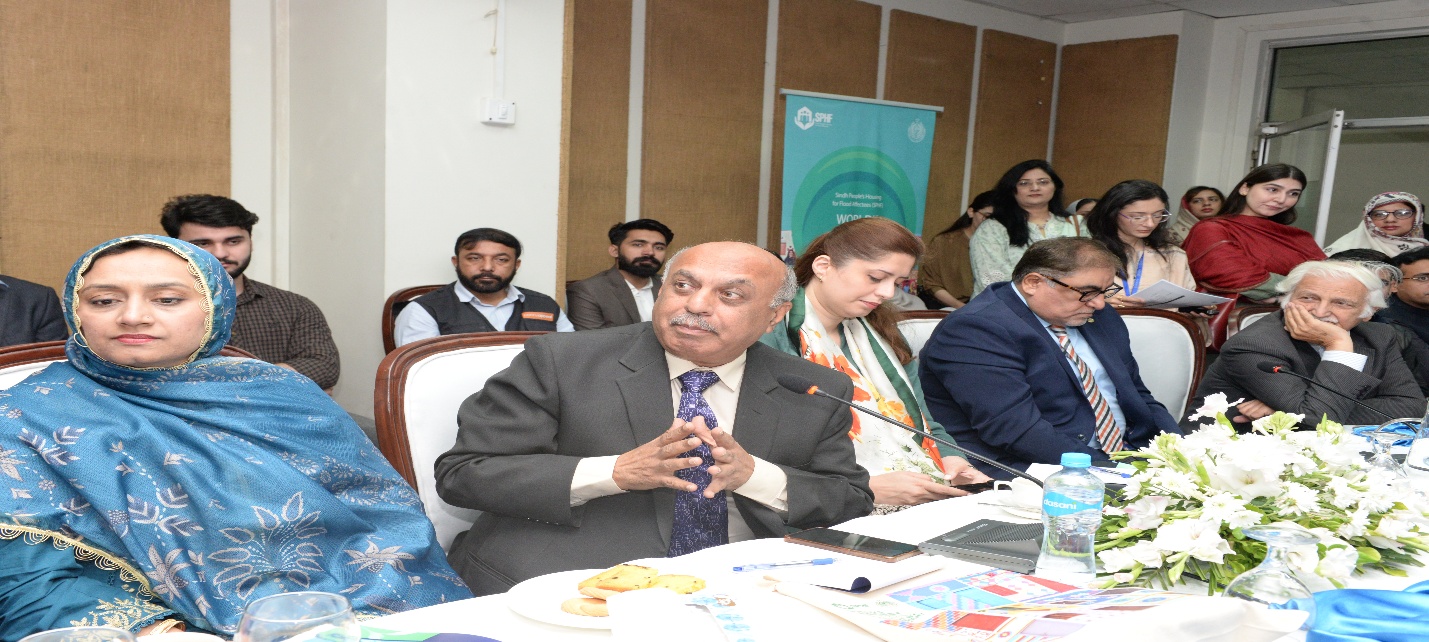
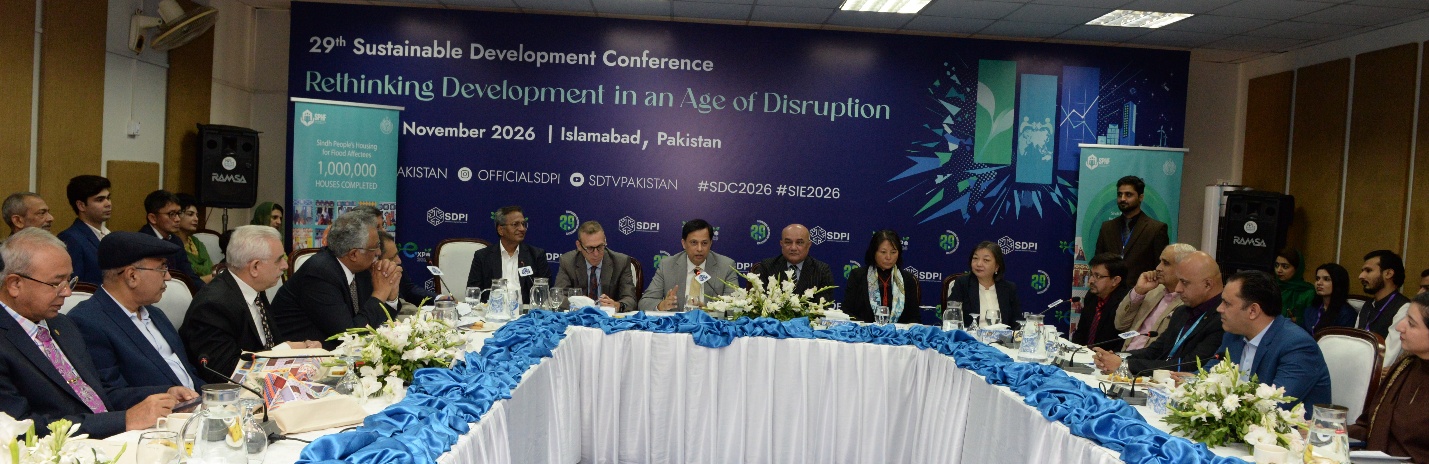
She was speaking at a session, titled: SPHF - The World’s Largest post -Disaster Housing Reconstruction Programme at the 29th Sustainable Development Conference organized by the Sustainable Development Policy Institute (SDPI) here on Tuesday.
Representatives of the European Union (EU), World Bank and Asian Development Bank (ADB) described the initiative as an example for other countries struggling with climate disasters, poverty and inadequate housing.
“I don't know any other country who built one million houses in a few years,” the WB country Director remarked, describing the pace and scale of reconstruction as extraordinary. She disclosed that the World Bank planned to showcase Pakistan’s experience at an international platform, potentially during one of its major meetings in the spring, so that other countries could learn from Sindh’s beneficiary-driven reconstruction model.
Amgaabazar said the programme offered important lessons for countries increasingly exposed to climate-related disasters, particularly regarding community participation, institutional coordination and locally responsive housing solutions. Recalling reconstruction efforts following the 2004 tsunami in Indonesia’s Aceh province, she said several houses built under earlier programmes remained unoccupied because they did not reflect local cultural practices and community preferences.
The World Bank official also highlighted the speed of project preparation, saying the institution had prepared the Sindh housing project in just two months, compared with its traditional preparation period of around 12 months.
European Union Delegation to Pakistan representative Jeroen Willems said the programme had also helped pave the way for the European Investment Bank’s return to Pakistan after almost 10 years without signing new projects. He said Team Europe, comprising the EU and its member states, had rapidly mobilized one billion euros, mainly in grant assistance, following the 2022 floods.
Willems said the EIB had signed a 100-million-euro loan agreement with SPHF earlier this year to help complete project financing and reconstruct the remaining houses. He particularly appreciated the programme’s transparent, community-based and cost-effective approach, highlighting its contribution to financial inclusion through the opening of bank accounts for poor rural women who had never previously accessed formal banking services. He said the programme had also generated valuable data on deprived areas of Sindh, helping policymakers understand the implications of decisions taken in Karachi for rural communities.
Dr Emma Xiaoqin Fan, the Country Director of Asian Development Bank for Pakistan, termed the initiative an internationally significant development success, saying its scale, speed and inclusive approach offered valuable lessons for housing finance operations in other countries. She said conventional housing finance models generally relied on banks and financial intermediaries, which largely served bankable households, leaving extremely poor and unbankable families outside the formal financial system.
Pakistan’s experience, she added, demonstrated that a sustainable and inclusive approach could extend housing support to previously underserved populations while generating wider benefits through land access, skills development, employment and financial inclusion.
Najam Ahmed Shah, the Chairman of Sindh Planning and Development Board, said the SPHF programme was supported by an International Development Association (IDA) loan carrying an interest rate of two percent. Highlighting barriers to formal banking, he questioned how many people had ever attempted to open conventional bank accounts for their domestic workers, underscoring the difficulties faced by low-income households in accessing financial services.
Additional Secretary BISP Dr Asmat Nawaz said although the 2022 floods had caused massive losses, the Sindh housing initiative had emerged as a remarkable success story that required effective marketing and international recognition.
He said opening bank accounts for women had contributed to their empowerment, while the programme had demonstrated that flood-affected families could construct their own houses with financial assistance.
According to SPHF Chief Executive Officer Khalid Mahmood Shaikh’s presentation, construction has been initiated on approximately 1.6 million houses, while one million have been completed and handed over to beneficiaries.
The programme follows a beneficiary-led approach under which families manage reconstruction themselves and receive financial assistance directly through bank accounts.
The programme, launched following the devastating 2022 floods, aims to reconstruct approximately 2.1 million damaged or destroyed houses in Sindh and has attracted substantial international financing, including renewed engagement by the European Investment Bank (EIB), which remained absent from Pakistan for nearly a decade.
The programme is increasingly being viewed as more than a housing reconstruction initiative, combining climate-resilient construction with rural employment, economic recovery, women's empowerment and financial inclusion.