The Political Economy of Real Estate Policy and Taxation in Pakistan, Day 3, B9, 04 Nov
Speakers say real estate needs regulatory reforms, rational taxation to unlock investment potential
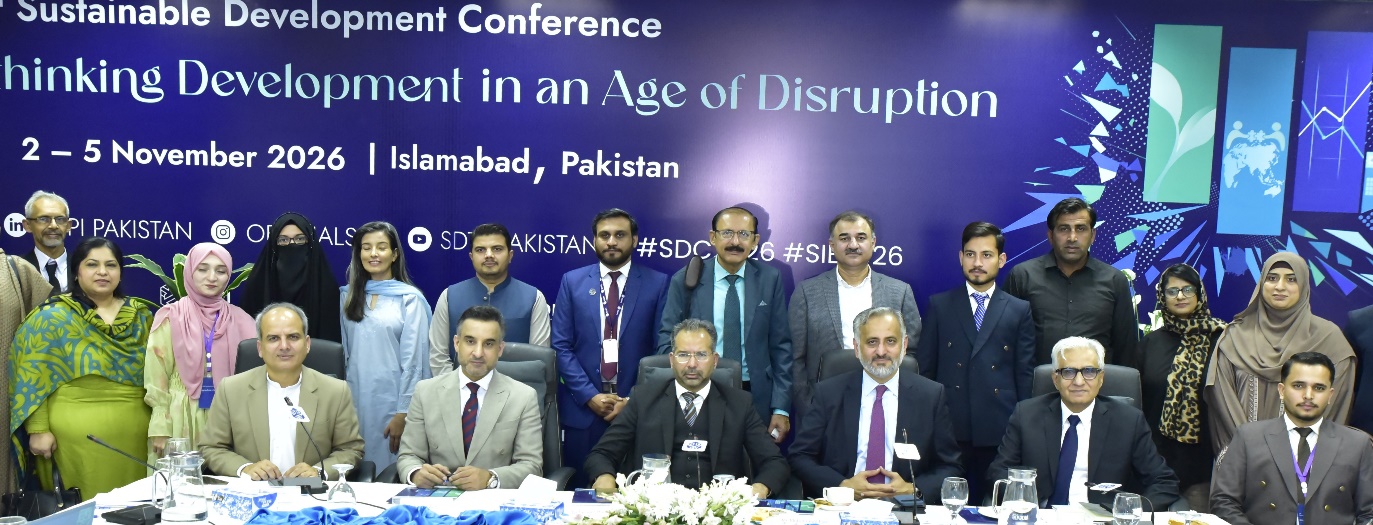
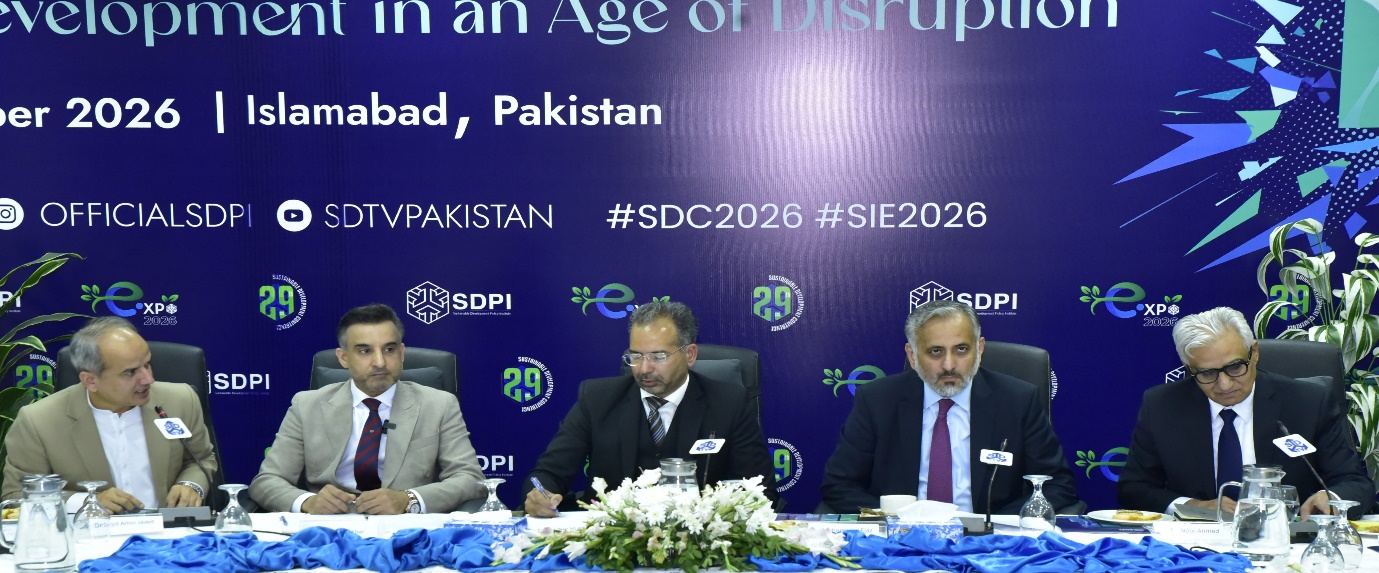
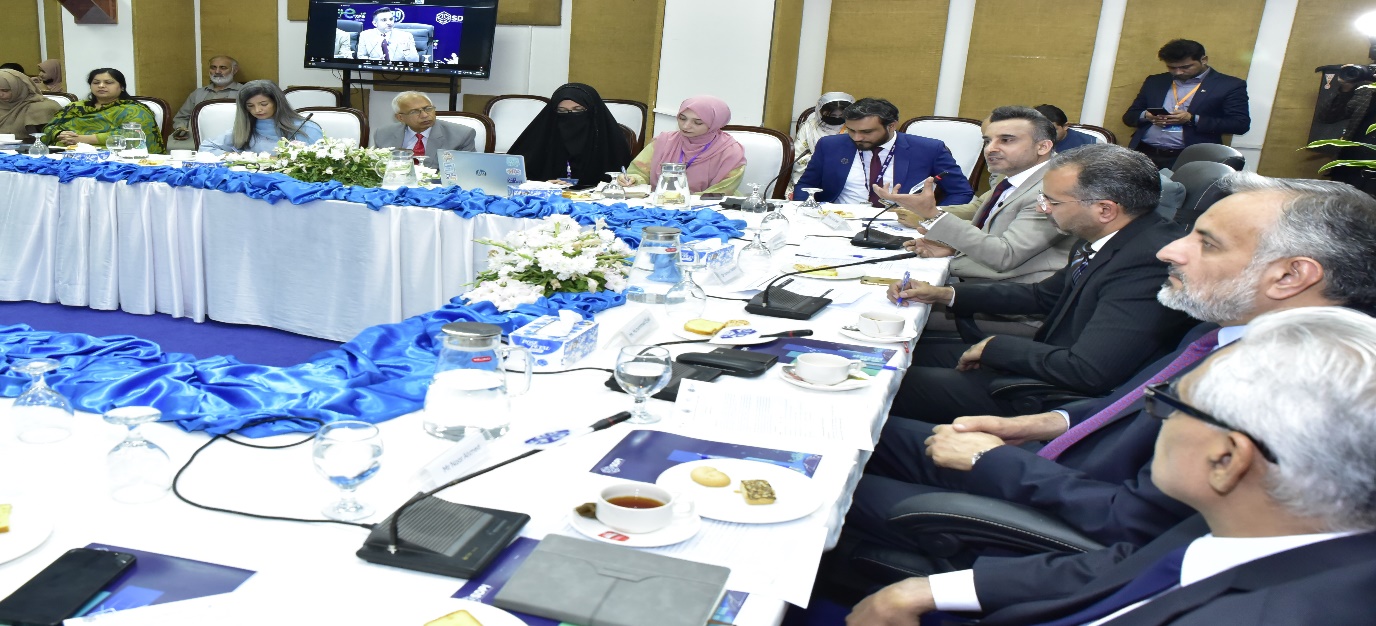
ISLAMABAD (04 November 2026): Speakers at a panel discussion called for better urban planning, predictable taxation and stronger regulation to unlock investment and address the country’s growing housing shortage.
The panel discussion, titled: “The Political Economy of Real Estate Policy and Taxation in Pakistan” was organized on the third day of 29th Sustainable Development Conference by Sustainable Development Policy Institute in collaboration with GIZ, here on Wednesday.
Shafiq Akbar, Chairman of IMARAT Group, said real estate, particularly housing, could serve as a major catalyst for economic revival and sustainable growth.
He said global real estate wealth was estimated at around $400 trillion, while Pakistan’s market was valued at nearly $2 trillion, with considerable potential for growth because of its population and housing needs.
Citing figures attributed to the Ministry of Housing, he said Pakistan faced a housing deficit of around 13 million units and required approximately 700,000 new houses annually, while construction was estimated at about 300,000 units. The resulting annual shortfall of nearly 400,000 units was adding to the accumulated deficit.
Akbar said meeting the annual requirement could create assets worth more than $700 billion over 10 to 12 years. Properly planned housing, he added, could generate two to three dollars in wider economic activity for every dollar invested.
He said housing could generate more than 7.5 million jobs and stimulate construction-related industries, but required long-term planning.
Weak regulation and inadequate feasibility studies had contributed to investment losses, while estimates suggested that more than $100 billion was trapped in the property market, he said.
Akbar called for a dedicated think tank to study real estate and urban development, comprehensive demographic and demand assessments, a transparent property verification system and an effective regulatory framework. He said professional expertise, updated laws and a rational taxation policy were also needed.
Noor Ahmed, a senior Advisor of SDPI, said cities had become major engines of growth across Asia, where integrated planning of housing, infrastructure, business districts and retail activity generated economic output.
Pakistan lacked a consistent development framework, and frequent policy reversals have weakened the investors’ confidence, he said, adding that investment should not be taxed in a way that discouraged productive activity. He suggested that governments should increase tax income, rentals and returns, making tax policy support economic activity rather than focus narrowly on revenue collection.
Muhammad Ejaz, Chief Executive Officer of Arif Habib Dolmen REIT Management Limited, said the real estate sector had extensive links with construction, engineering, design, employment, financial services, taxation and urban development, but had not received adequate institutional support.
He said more than 90 per cent of real estate activity was reportedly conducted through sole proprietorships and associations of persons, leaving much of the market outside the regulatory oversight applicable to listed companies. This informality, he said, contributed to illegal schemes and unplanned development.
Explaining Real Estate Investment Trusts (REITs), he said the model pooled capital for large projects under a regulated structure. Pakistan launched its first REIT in 2015, with the Securities and Exchange Commission and Central Depository Company helping establish oversight standards.
Around 35 to 40 institutions had joined the sector and 18 to 19 REIT funds had been established, with assets and projects worth more than Rs1.5 trillion, he said.
Ali Khizar Aslam of Business Recorder said high taxes introduced after the property market boom of 2021-22 had also discouraged genuine transactions. He questioned the rationale for imposing taxes on buyers when sellers could be liable for capital gains tax, and said a decline in property transactions affected construction, cement, steel and other allied industries.
Weak oversight exposed small investors to losses when projects failed. He called for due diligence and disclosure of sponsors, land ownership, approvals and financial arrangements. Aslam said real estate supported nearly 40 allied industries and its slowdown had constrained economic activity. He urged reforms to formalise the market and direct investment towards genuine needs.
Dr Tanvir Hussain Bhatti of the Federal Board of Revenue clarified that withholding taxes collected under Sections 236C and 236K on property sales and purchases were adjustable against taxpayers’ actual liabilities and were not final taxes. Tax deducted from sellers could be adjusted against capital gains tax, while buyers could claim the amount in their income tax returns.
The provisions also helped document investment and establish the source of funds, particularly in transactions by non-filers. Rental income was taxable under Section 15 and withholding tax on rent under Section 155, he added.
Bhatti said Section 7E had been omitted following court proceedings, while Federal Excise Duty previously imposed on property transactions in 2025 had also been withdrawn. Withholding tax rates on sales and purchases had been reduced by half in the current financial year, he said, adding that the FBR would need alternative means of revenue collection.
Citing FBR figures, he said Sections 236C and 236K generated around Rs278 billion during the previous financial year, while the contribution from the salaried class was approximately Rs630 billion.
Bhatti said the FBR was enforcing laws against benami transactions and money laundering, which could lead to confiscation of properties or assets linked to proceeds of crime. He said these safeguards were intended to prevent real estate from being used to conceal illegal wealth while supporting a more documented and transparent property market.