
Donors/Partners: UNEP
Locale: Pakistan
Project Lead: Zainab Naeem
Focal Person: Ebadat Ur Rehman Babar
Project Team: Zainab Naeem, Ebadat Ur Rehman Babar, Ihtesham Ul Haq, Nelam Pari
Unit Name: Ecological Sustainability & Circular Economy
Background
Pakistan ranks among the most climate-vulnerable countries globally, regularly facing extreme weather events such as floods, droughts, heatwaves, and glacial lake outburst floods (GLOFs). The devastating 2022 floods affected over 33 million people, caused 1,700+ deaths, and resulted in economic losses exceeding USD 30 billion—highlighting the urgent need for robust adaptation.
Khyber Pakhtunkhwa (KP) and Balochistan face distinct climate risks. KP is prone to GLOFs and flash floods due to its vast glacial systems, while Balochistan suffers from chronic water scarcity, desertification, and land degradation. Despite ongoing initiatives, adaptation efforts in both provinces remain fragmented and underfunded.
To address these challenges, Pakistan launched its National Adaptation Plan (NAP) 2023–2033, aligned with Vision 2025, the SDGs, and the Paris Agreement. The NAP prioritizes four sectors, agriculture-water nexus, human capital, urban resilience, and natural capital, and integrates cross-cutting themes like disaster risk management and social inclusion.
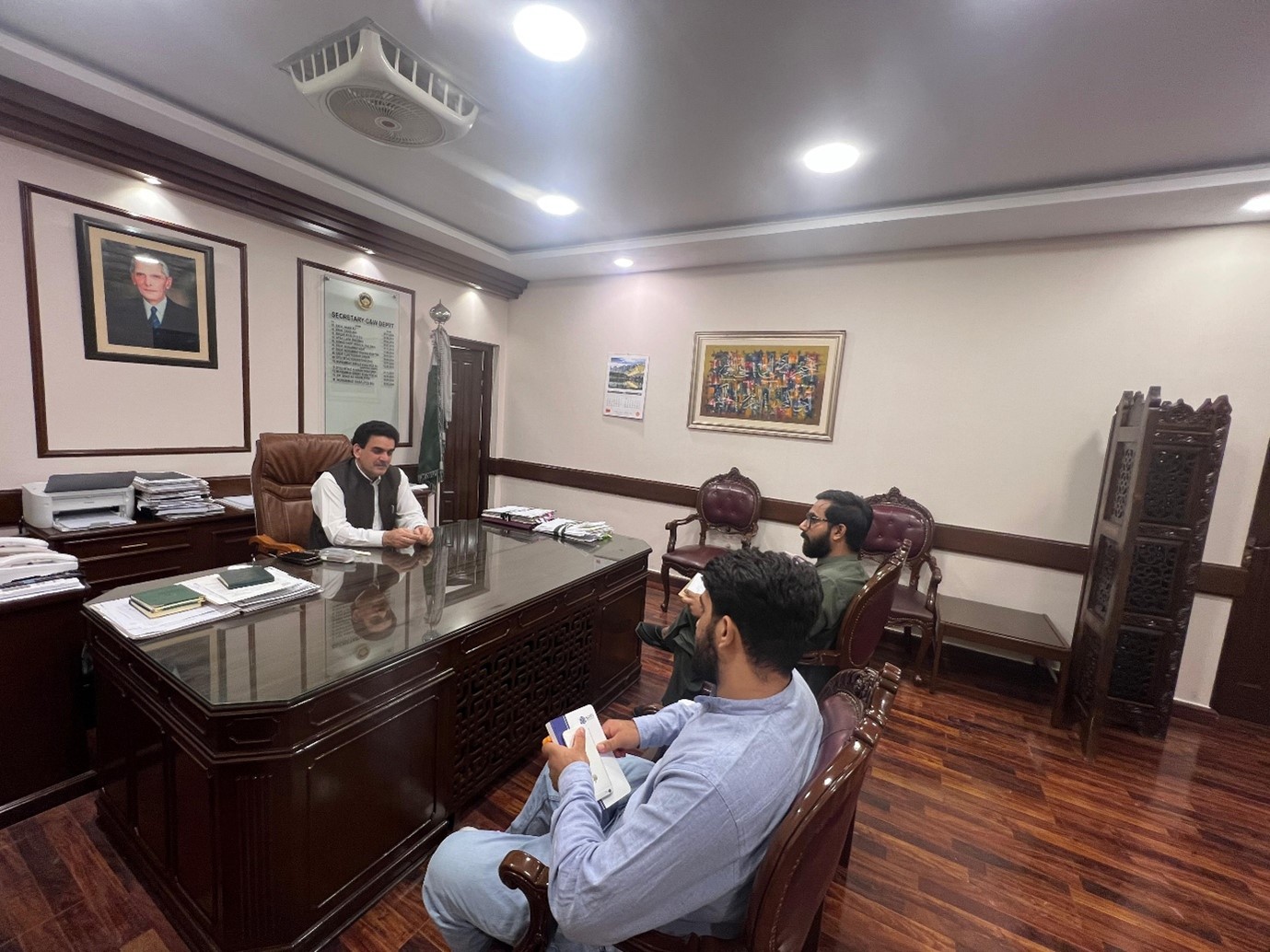
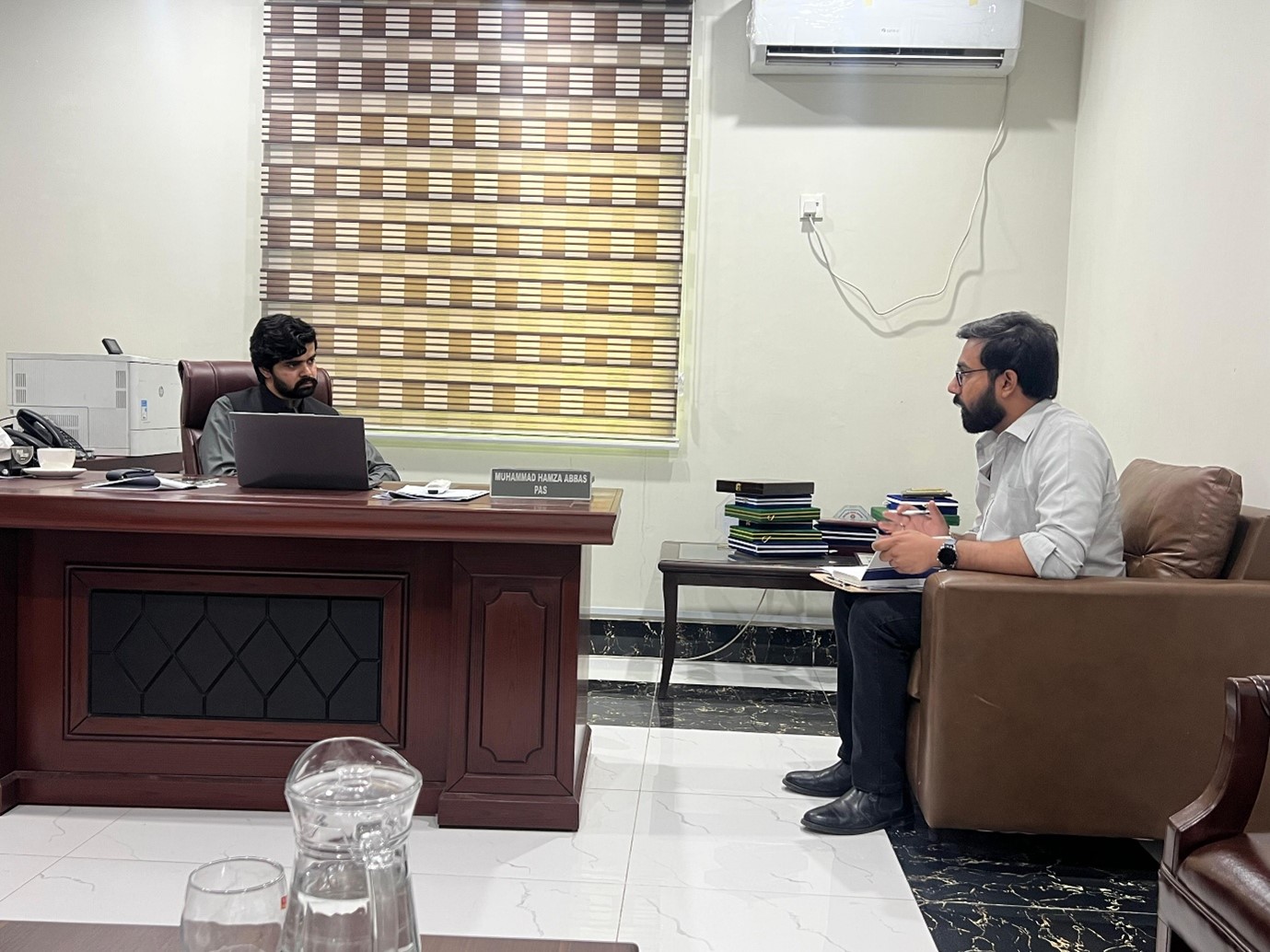
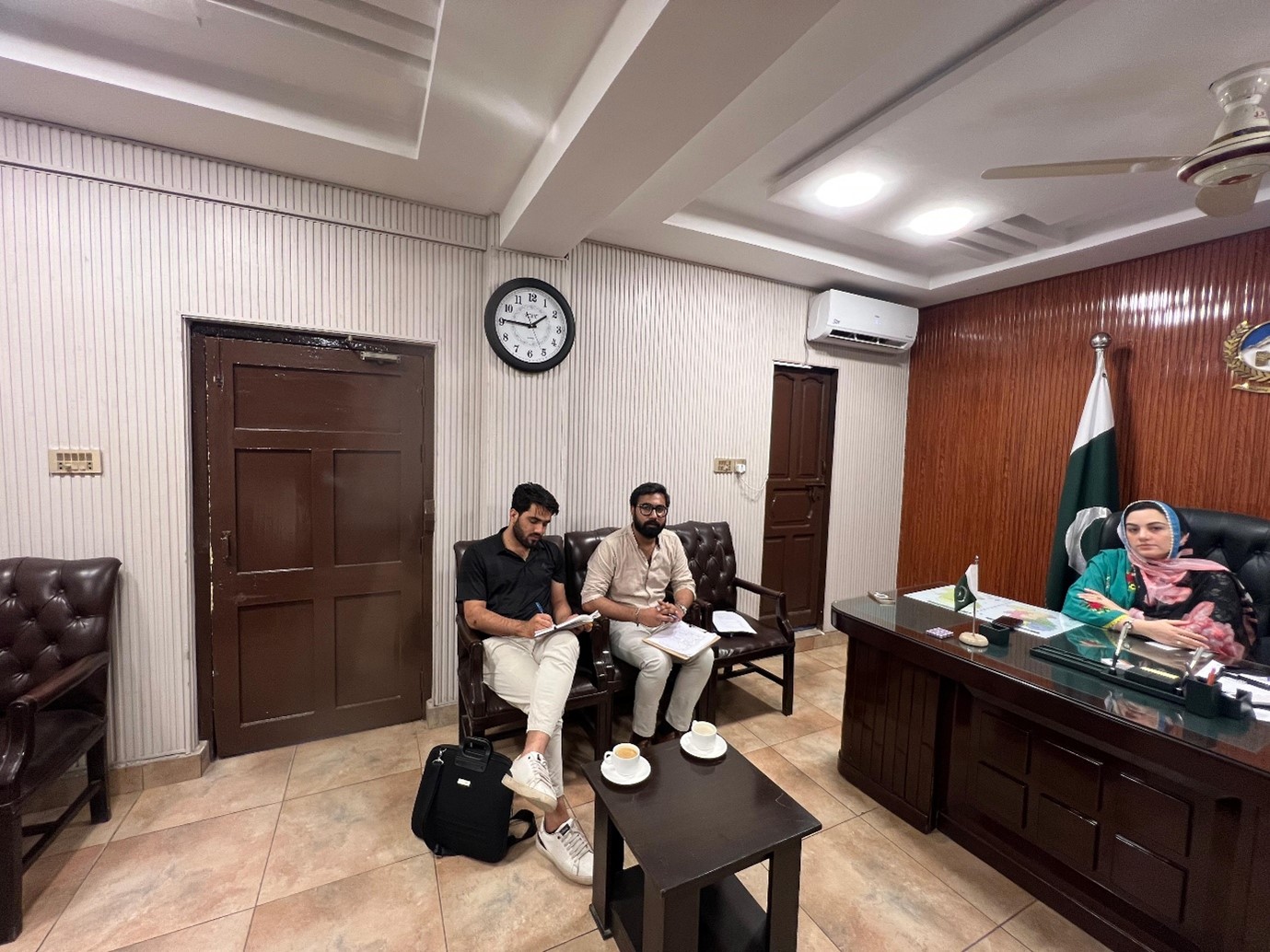
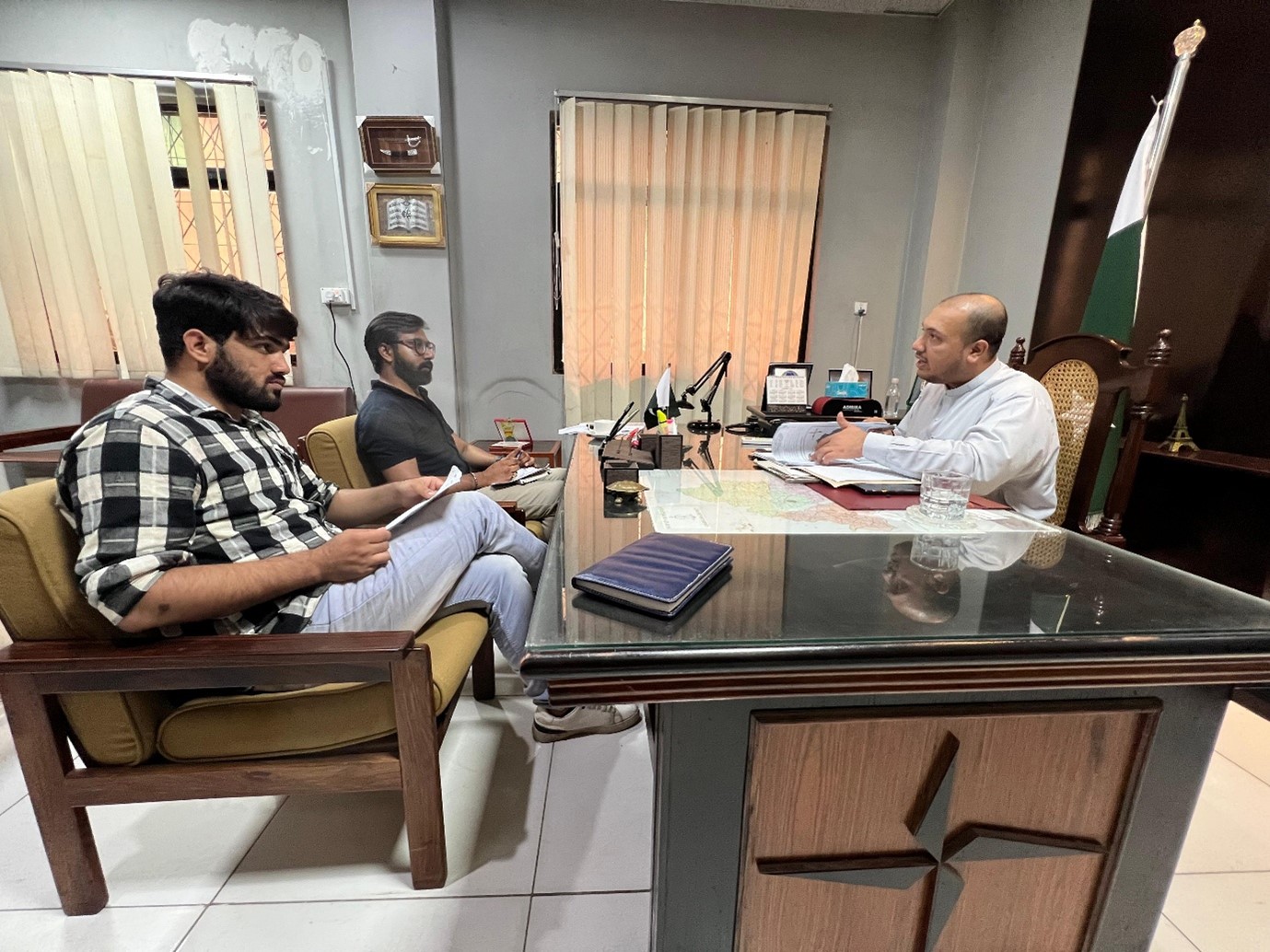
This project contributes to NAP implementation by conducting localized Climate Risk and Vulnerability (CR&V) Assessments and developing actionable Adaptation Plans for KP and Balochistan. By combining scientific research with stakeholder engagement and local knowledge, it aims to enhance climate resilience and support effective adaptation planning and financing.
Planned Deliverables:
Inception Report
Climate Risk and Vulnerability Assessments (CR&VAs)
Draft Climate Adaptation Plans (CAPs)
Training Needs Assessment (TNA) Report
Final Climate Adaptation Plans
Final TNA Report
Summary Brief
© 2026 SDPI. All Rights Reserved Designed and developed by NKMIS WEB Unit