
Partner: DFID through DAI
Duration: February 2013 to November 2014
Locale: Khanewal and Vehari
Team Members: Dr Vaqar Ahmad, Fayyaz Yaseen, Afsheen Naz, Dr. Shehryar Khan, Abiha Haider, Muhammad Sohaib
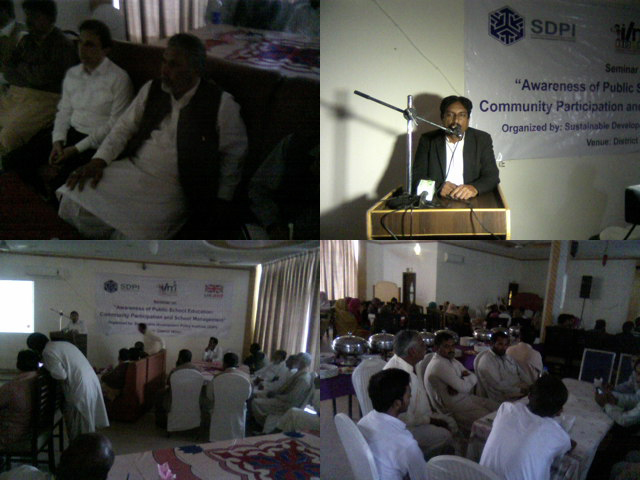
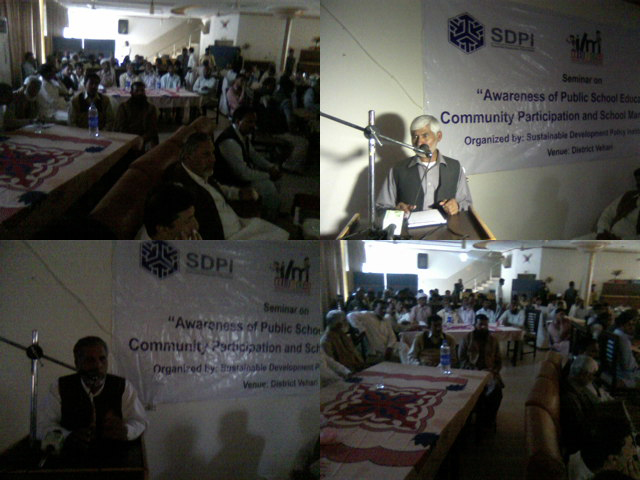
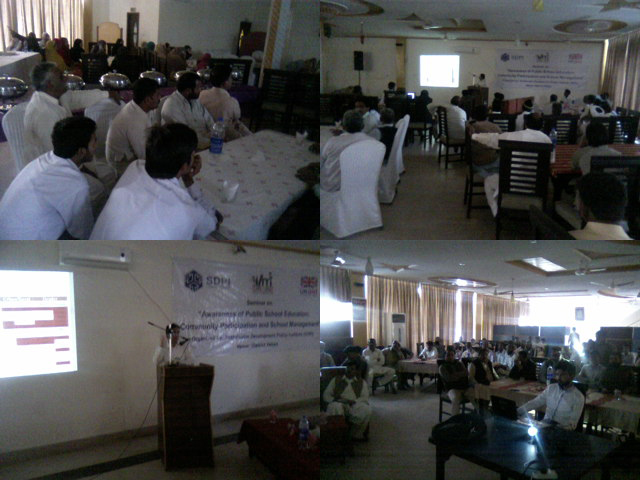
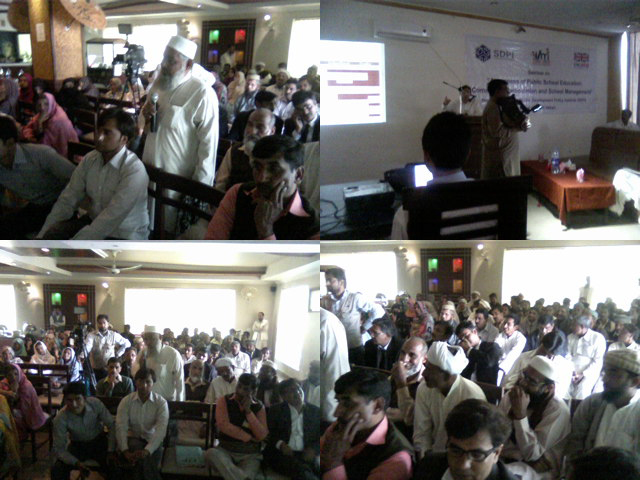
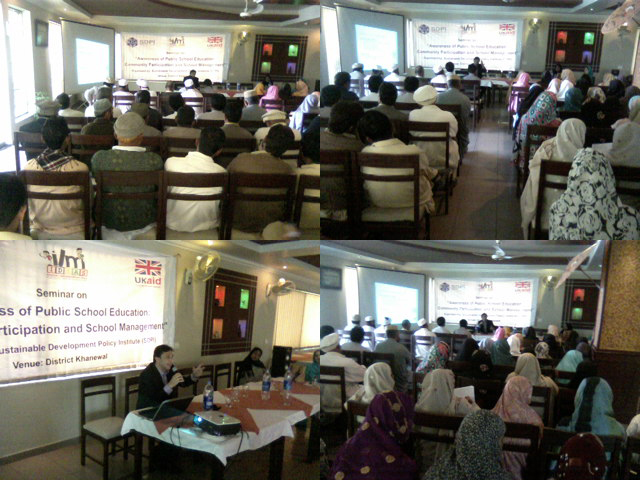
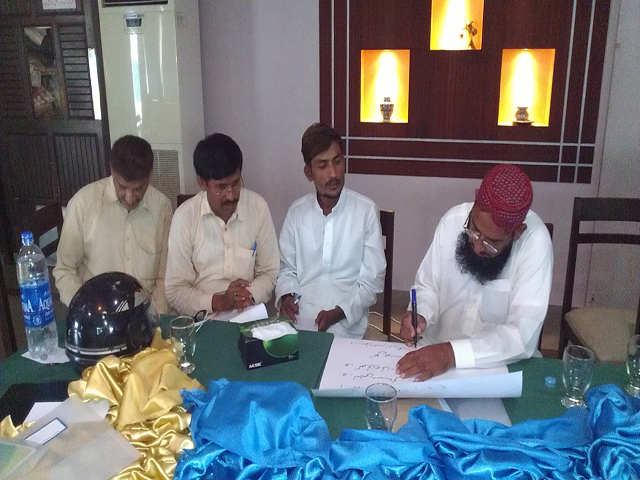
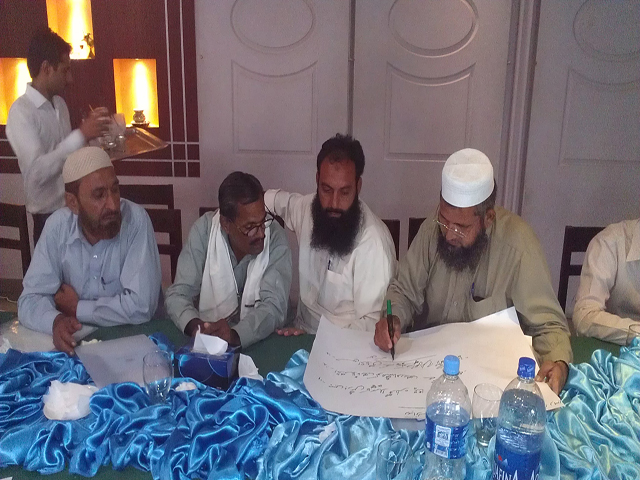
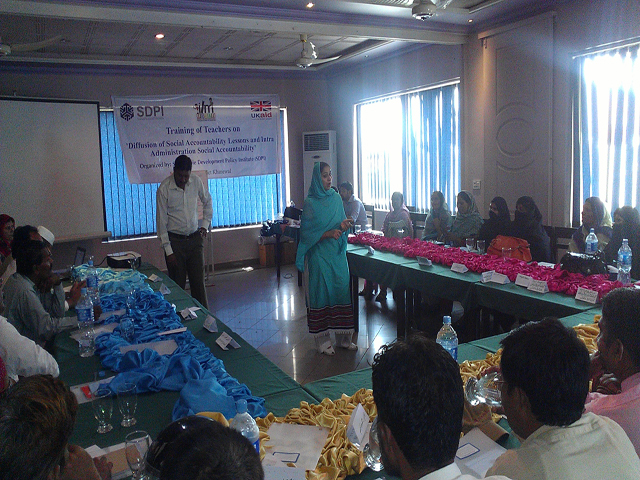
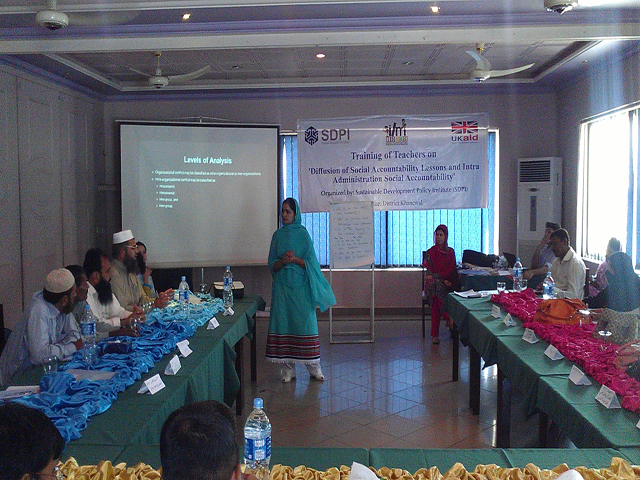
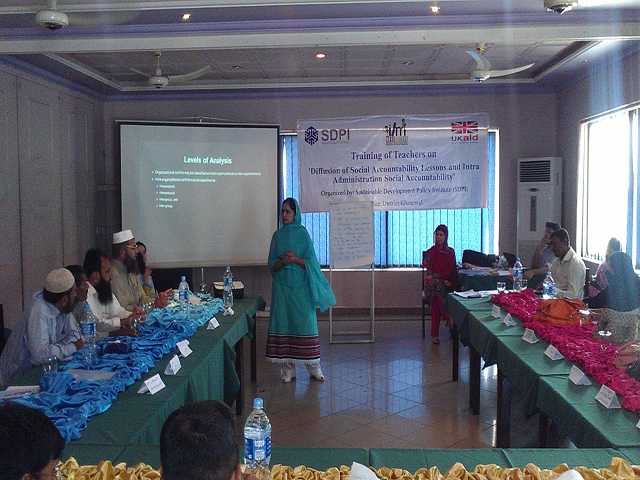
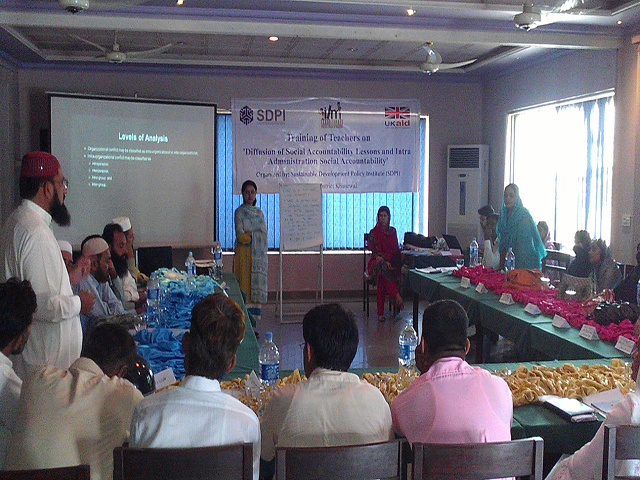
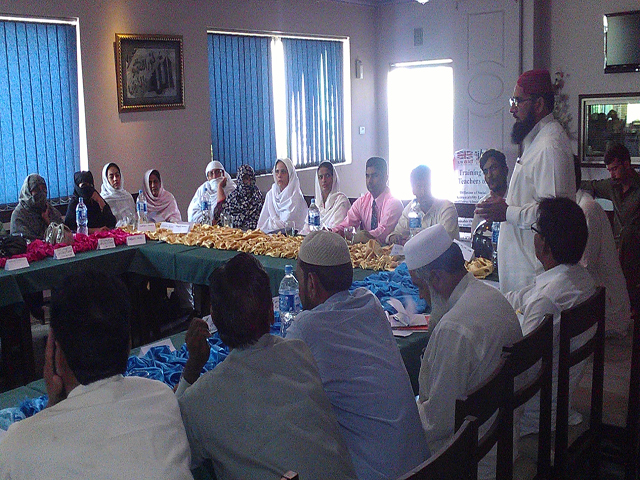
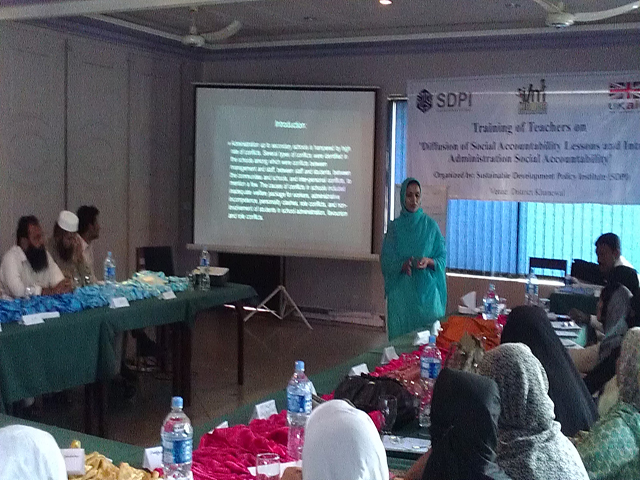
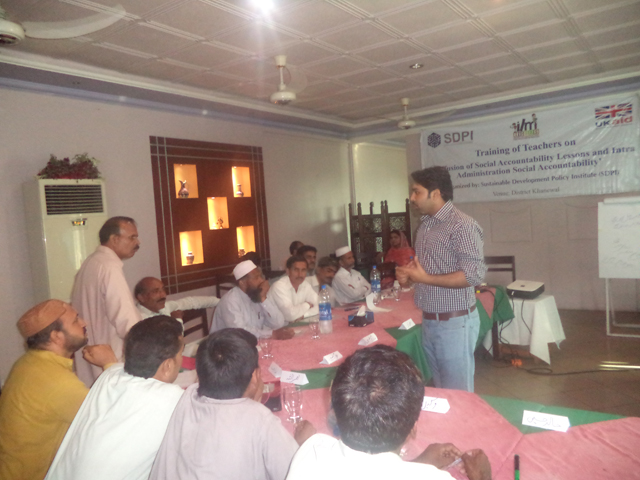
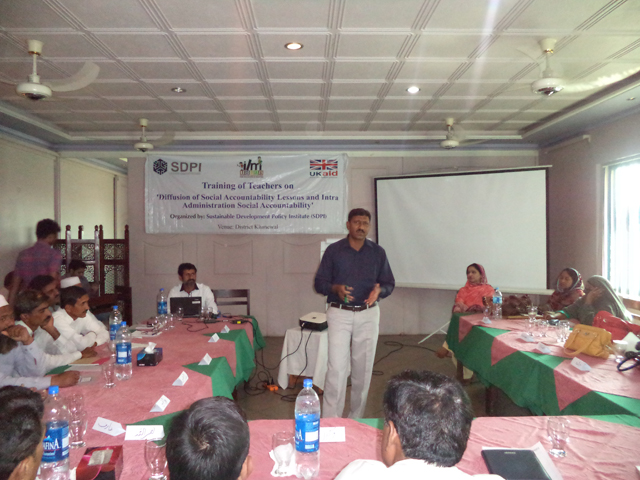
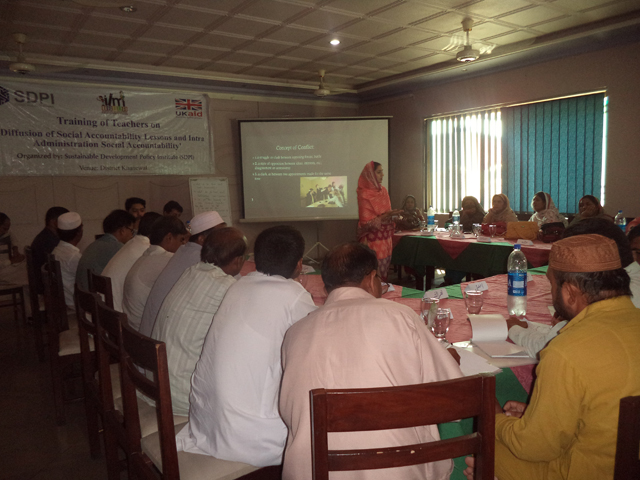
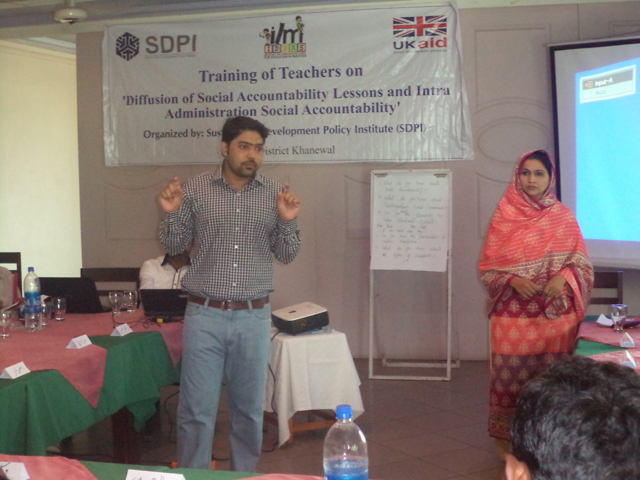
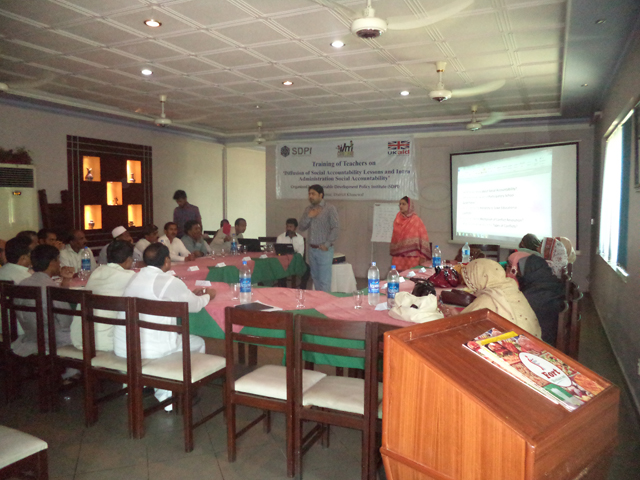
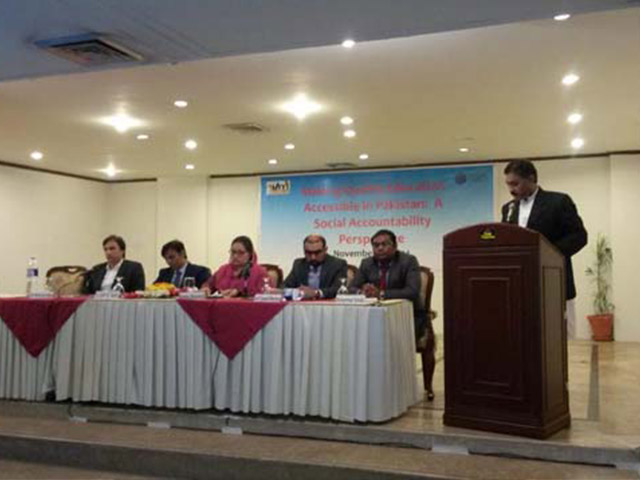
Introduction: The study aims to improve the state of education through the concept of social accountability. The idea of social accountability is associated with demand side accountability, i.e. local communities holding state offices are accountable for their actions and decisions. It is a good tool to improve educational outcome. Social accountability is useful in reducing principle-agents' problems in public sector organizations.
Objectives:
Activities:
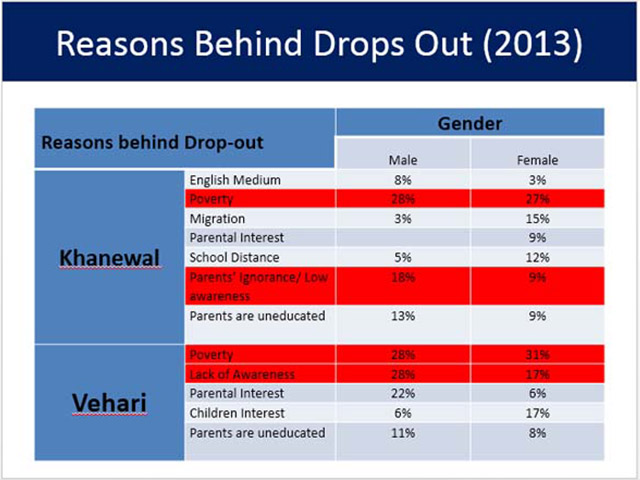
Findings:
Field Team Social Mobilizer Khanewal : Zeeshan Ali Khan Social Mobilizer Khanewal: Razia Banu Social Mobilizer Vehari: Mohammad Zafar Social Mobilizer: Sadia Shakoor








© 2026 SDPI. All Rights Reserved Designed and developed by NKMIS WEB Unit

 DOWNLOAD